Film History
3 min
History and Evolution of Hong Kong Martial Arts Cinema
Kung fu films are a subgenre of martial arts cinema originating in Hong Kong.
Subversive independent cinema, historically referred to as underground film, encompasses motion pictures that exist outside mainstream commercial production systems, distribution networks, and aesthetic conventions. The terminology and the movement itself have shifted across decades, bridging early Hollywood counter-expression, mid-century experimental practices, and late-twentieth-century transgressive art.
The earliest recorded print use of the phrase "underground film" appeared in a 1957 essay by American film critic Manny Farber titled "Underground Films." Farber utilized the term to describe Hollywood directors such as Howard Hawks, Raoul Walsh, and William Wellman, whom he credited with playing an anti-art role within the studio system. By the late 1950s, however, the terminology shifted to characterize early independent filmmakers operating primarily in San Francisco and New York City, before expanding internationally to groups such as the London Film-Makers' Co-op and Ubu Films in Sydney.
During the 1950s and 1960s, the movement was shaped by experimental filmmakers including Maya Deren, Stan Brakhage, Shirley Clarke, Kenneth Anger, Andy Warhol, and Bruce Conner. As the movement matured by the late 1960s, several practitioners sought to distance themselves from the countercultural and psychedelic connotations associated with the word "underground," preferring designations such as "avant-garde" or "experimental film." Despite these shifts, the label persisted to describe fringe countercultural cinema, most notably through figures like Nick Zedd and the Cinema of Transgression in New York during the late 1970s and 1980s.
In the 1990s, the legacy of transgressive cinema influenced a new wave of ultra-low-budget filmmakers who rejected both commercialized independent distribution companies and institutionalized experimental film canons. This era saw the establishment of numerous dedicated underground film festivals in cities such as New York, Chicago, Boston, and Sydney, alongside publications like Film Threat. Later iterations included localized production groups such as ASS Studios, founded in 2011 by Reverend Jen and Courtney Fathom Sell, which utilized outdated formats like Hi8 and zero-budget production models to explore camp and taboo themes.
While the terms "underground film" and "cult film" are occasionally used interchangeably, significant distinctions exist between the two categories. Although substantial overlap occurs—such as works by Kenneth Anger that bridge both definitions—cult films often include commercial studio productions, such as Heathers, which possess dedicated followings but do not originate from the production methods or aesthetic margins characteristic of underground cinema.
Subversive and underground cinema has faced skepticism from mainstream critics. Notably, film critic Pauline Kael characterized a substantial portion of underground cinema as "a creature of publicity and mutual congratulations on artistry."
American film critic Manny Farber first used the term in his 1957 essay titled "Underground Films."
Kung fu films are a subgenre of martial arts cinema originating in Hong Kong.
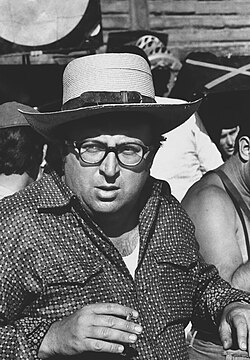
Sergio Leone was born on January 3, 1929, in Rome, Italy, and passed away on April 30, 1989.
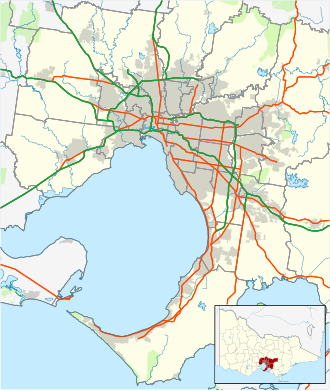
Mulgrave is located 21 kilometres south-east of Melbourne's central business district.