H
Film History
3 min
History and Evolution of Subversive Independent Cinema
The term "underground film" first appeared in print in a 1957 essay by film critic Manny Farber.
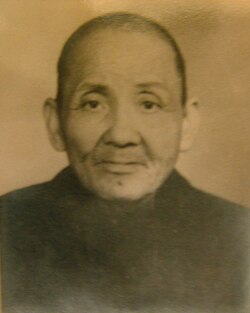
The kung fu film is a distinct subgenre of martial arts cinema rooted in Hong Kong action filmmaking, typically characterized by contemporary or historical settings focused primarily on realistic unarmed combat. Unlike related traditional genres that heavily emphasize fantasy elements or complex weapon-based swordplay, the kung fu film foregrounds hand-to-hand fighting techniques and grounded physical choreography.
The cinematic genre emerged in Hong Kong as a reaction against the supernatural tropes and fantasy elements prevalent in earlier fantasy-based martial arts films known as wuxia. Early cinematic pioneers sought to move away from cheap theatrical effects and animation used in fight sequences, turning instead toward stories featuring grounded human protagonists. Among the earliest recognized productions in this emerging tradition was the lost 1938-1939 two-part feature The Adventures of Fong Sai-yuk.
Another foundational pillar of early cinematic martial arts was a long-running series of films dramatizing the life of the historical Cantonese martial artist Wong Fei-hung. Beginning with The Story of Wong Fei-hung in 1949, directed by Wu Pang and starring Kwan Tak-hing, these productions introduced a significant focus on realistic fighting, known as zhen gongfu, breaking away from the established conventions of fantasy-heavy storytelling.
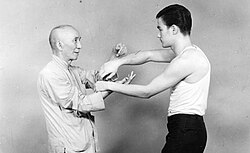
The genre reached a major historical peak during the 1970s, propelled by studio competition among major Hong Kong production companies such as Shaw Brothers and Golden Harvest. This resurgence gained profound international momentum with the financial success of Bruce Lee's feature film The Big Boss in 1971.
Bruce Lee's involvement brought a new standard of authentic martial arts expertise to the screen. His films introduced anti-imperialist themes and relatable underdog narratives that resonated strongly with international audiences, particularly within marginalized communities and the West, sparking a widespread global fascination with martial arts.
Following Bruce Lee's death in 1973 and a corresponding economic recession in Hong Kong, audience preferences shifted toward lighter entertainment. In the late 1970s, filmmakers blended traditional martial arts action with slapstick humor, giving rise to the kung fu comedy subgenre.
Directors and performers such as Yuen Woo-ping, Sammo Hung, and Jackie Chan introduced fluid, acrobatic choreography influenced by their rigorous training in Peking Opera at schools like the China Drama Academy. Films such as Drunken Master (1978) achieved massive financial success and established Jackie Chan as a leading international action star.
Kung fu films typically feature realistic, unarmed hand-to-hand combat set in contemporary or grounded historical periods, whereas wuxia films frequently include fantasy elements, supernatural tropes, and traditional weapon-based swordplay.
The term "underground film" first appeared in print in a 1957 essay by film critic Manny Farber.
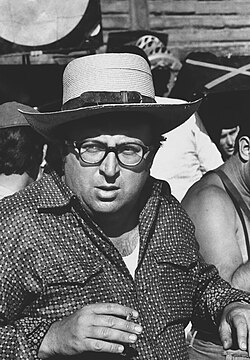
Sergio Leone was born on January 3, 1929, in Rome, Italy, and passed away on April 30, 1989.
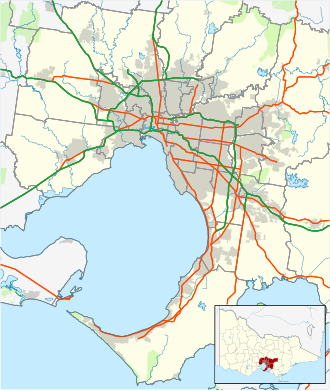
Mulgrave is located 21 kilometres south-east of Melbourne's central business district.