Geography
2 min
Mulgrave Suburb History and Geography
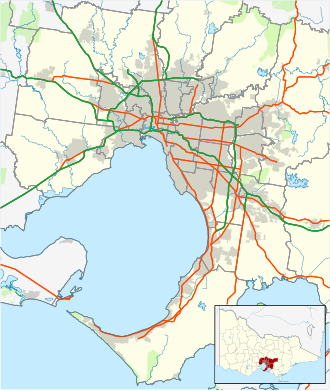
Mulgrave is located 21 kilometres south-east of Melbourne's central business district.

Print circulation refers to the average number of copies of a publication distributed per issue. For non-periodical publications such as books, the corresponding term is a print run. Circulation is distinct from paid circulation, which specifically counts copies sold rather than distributed free of charge. Readership figures generally exceed circulation numbers due to the assumption that multiple individuals read a typical shared copy.
Circulation serves as a core metric for estimating print readership and establishing advertising rates. Independent organizations, such as the Audit Bureau of Circulations, audit circulation figures in various jurisdictions to verify distribution claims made by publishers for advertisers.
Publishing organizations such as the World Association of Newspapers and News Publishers compile international circulation data. Historical records show high circulation numbers in Asian markets, notably in countries such as Japan, India, and China. Publications like the Japanese Yomiuri Shimbun and Asahi Shimbun have historically maintained large distribution volumes. In many developed nations, print circulation has experienced declines associated with digital media adoption, while developing regions have seen growth driven by rising literacy rates and incomes.
National industry bodies track print metrics across individual countries. In Australia, the Herald Sun records high distribution volumes. In Belgium, the Centre for Information about Media publishes figures for publications including Het Laatste Nieuws and Het Nieuwsblad. Canadian distribution data includes publications such as the Toronto Star and The Globe and Mail. In Norway, the Norwegian Media Businesses' Association records figures for outlets like Aftenposten and Verdens Gang.
Print circulation measures the average distribution of a periodical publication per issue, whereas a print run refers to the total number of copies produced for a non-periodical item like a book.
"Aboriginal Curriculum Resources". Queen's University Library. December 9, 2016. Archived from the original on December 26, 2016. Retrieved December 25, 2016.
"Print Media grows by 6.25%; Urdu at No. 3". twocircles.net. December 29, 2011. Archived from the original on June 1, 2012.
"Canadian Circulation Data". Archived from the original on September 27, 2007. Retrieved October 20, 2009.
"Highest Circulated Daily Newspapers (language wise)" (PDF). Audit Bureau of Circulations. Retrieved January 5, 2019.
Opplagstallene for aviser, magasin og ukeblader for 2011 Archived 2012-06-18 at the Wayback Machine. Opplag.no
"National press ABCs: Daily Mail dips below 800,000 for first time in January". February 22, 2023.
"Daily Mail". Audit Bureau of Circulations. February 13, 2024. Archived from the original on September 23, 2020. Retrieved March 3, 2024.
"Top 25 U.S. Newspapers For March 2013". April 30, 2013. Archived from the original on June 11, 2013. Retrieved June 9, 2013.
Mulgrave is located 21 kilometres south-east of Melbourne's central business district.
The violin octet consists of eight acoustically scaled bowed string instruments.
Goran Obradović was born on January 29, 1971.