M
Music History
3 min
Minimalist Composition Style in Modern Art Music
Minimalist art music emerged in the United States during the late 1950s and early 1960s.
Music historians categorize the Western classical music repertory into distinct eras according to prevailing stylistic trends and shifts in aesthetic taste. These established periods span from the early medieval era through to contemporary postmodern developments. While art history terms such as "Renaissance" and "Baroque" are frequently borrowed to describe these musical epochs, establishing precise chronological boundaries remains challenging due to geographical variations, stylistic overlaps, and gradual transitions.
Assigning exact calendar years to the beginning and end points of classical music eras involves significant historical ambiguity. Several factors complicate this categorization:
Consequently, chronological markers in music history function primarily as approximate guides rather than absolute boundaries, and scholars often debate the precise demarcation of these periods.
The progression of Western classical music is traditionally divided into several broad epochs, beginning formally with the written traditions of the Medieval period and extending through the Renaissance, Baroque, Classical, Romantic, Modernist, and Postmodernist eras. Earlier musical traditions, such as prehistoric and ancient music, predate the standard framework of Western art music epochs or are categorized by broader historical milestones, such as the fall of Rome in 476 CE.
Music eras began and ended at different times across various geographic regions, and musical styles often overlapped considerably during transitional periods.
Grout. A History of Western Music. p. 172.
Carter. Seventeenth Century Music. p. 1.
Minimalist art music emerged in the United States during the late 1950s and early 1960s.
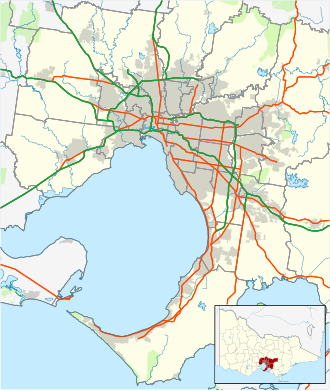
Mulgrave is located 21 kilometres south-east of Melbourne's central business district.
The violin octet consists of eight acoustically scaled bowed string instruments.