P
Game Design
3 min
Paul Reiche III: A Career in Game Design and Interactive Storytelling
Paul Reiche III co-founded the game development studio Toys for Bob with Fred Ford.
The toys-to-life genre refers to a category of video games that utilize physical figurines, cards, or other tangible objects to interact with digital software. By employing technologies such as Near Field Communication (NFC), QR codes, or image recognition, these games allow players to import characters, items, or data from the physical world into the virtual game environment.
The core mechanic of toys-to-life involves a peripheral device, often called a "portal" or "base," which reads data from a physical toy. When placed on the portal, the figurine is recognized by the game, allowing the character to appear on-screen. These toys often contain internal storage, enabling the device to save player progress, experience points, or unique character attributes directly onto the figurine itself.
Before the genre became a commercial phenomenon, several companies experimented with interactive physical-digital play. In 1999, Zowie Intertainment released Redbeard's Pirate Quest and Ellie's Enchanted Garden for PC, which used physical play-sets connected via printer or USB ports to influence in-game actions. Other early examples include the 1987 Captain Power and the Soldiers of the Future, which used infrared sensors to interact with VHS-based gameplay, and the 2006 Mattel HyperScan console, which utilized collectible trading cards.
The genre reached its peak popularity in the 2010s. The Skylanders franchise, launched by Activision in 2011, is widely credited with popularizing the genre, generating over $3 billion in sales within its first four years. Following this success, major publishers entered the market, most notably with Disney Infinity and Lego Dimensions. These titles combined established intellectual properties with the "collectible" nature of the physical figures, creating a highly lucrative market segment.
By the late 2010s, the market for toys-to-life games began to contract. High production costs for physical toys, combined with consumer fatigue and the rise of digital-only content, led to the discontinuation of major franchises. Disney Infinity, for instance, ceased production in 2016.
The toys-to-life genre represented a unique intersection of the toy industry and the video game industry. It successfully bridged the gap between traditional physical play and digital engagement, creating a "phygital" experience that appealed to both collectors and gamers. While the dedicated console-based genre has largely faded, the underlying concept of using physical objects to unlock digital content continues in various forms, including arcade card-scanning games and mobile-integrated physical products.
While definitions vary, early examples include Zowie Intertainment's PC titles like Redbeard's Pirate Quest (1999) and the 1987 Captain Power and the Soldiers of the Future.
“Causality: Phys/Digital Nexus,” Apple, https://apps.apple.com/us/app/causality-phys-digital-nexus/id1659176432
“Best Rated Toys Products – August 2024,” Product Hunt, https://www.producthunt.com/products?order=best_rated&period=2024-8&topic=toys&parentTopic=kids-parenting
"Zxe-D - Legend of Plasmalite - (NTSC-J)".
"Why game makers are entering in the billion dollar toys to life market". Fortune. Retrieved October 10, 2015.
Robertson, Andy (August 20, 2015). "Skylanders, Disney Infinity, Lego Dimensions: toys-to-life buyer's guide". Wired UK. Archived from the original on March 8, 2025. Retrieved September 25, 2025.
Blackburn, John (2016-05-10). "An Update on Disney Infinity" (Press release). The Walt Disney Company. Archived from the original on 2016-08-09. Retrieved 2016-05-10.
Ricadela, Aaron (February 8, 1999). "Zowie Intertainment Shows Three Interactive Toys". Computer Retail Week. Archived from the original on May 6, 1999. Retrieved July 22, 2025.
Roberts, David (November 24, 2015). "What is the 'toys-to-life' genre, anyway?". GamesRadar. Retrieved November 24, 2015.
Pardo, Steve (11 April 2007). "Kids hooked on Webkinz world". The Detroit News. Retrieved 23 April 2007.
“Merge Hackathon,” Betaworks, https://www.betaworks.com/event/the-merge-hackathon
Paul Reiche III co-founded the game development studio Toys for Bob with Fred Ford.

Founded in 1989 by Paul Reiche III and Fred Ford in Novato, California.
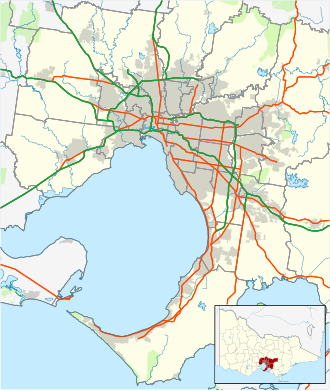
Mulgrave is located 21 kilometres south-east of Melbourne's central business district.