Cinema
2 min
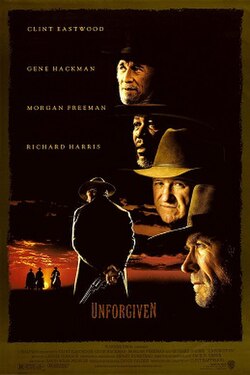
Unforgiven: A Revisionist Masterpiece of the Western Genre
Unforgiven won four Academy Awards, including Best Picture and Best Director.
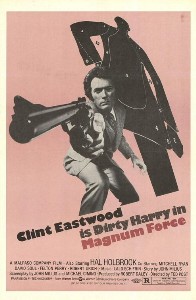
Released in 1973, Magnum Force serves as the first sequel to the seminal 1971 neo-noir thriller Dirty Harry. Directed by Ted Post and featuring a screenplay by John Milius and Michael Cimino, the film shifts the thematic focus of the franchise from the lone-wolf detective fighting a singular criminal to a complex examination of institutional corruption and the dangers of extrajudicial violence within the police force itself.
The story follows Inspector Harry Callahan, played by Clint Eastwood, as he investigates a series of mysterious murders targeting San Francisco's underworld figures. Unlike the original film, where Callahan's methods are challenged by bureaucratic oversight, Magnum Force introduces a secret death squad composed of rookie motorcycle officers who utilize their authority to execute criminals they believe have escaped the reach of the law. This creates a moral conflict for Callahan, who, despite his own disregard for standard police procedure, remains committed to the rule of law.
The film is noted for its gritty depiction of 1970s San Francisco and its sharp, hard-boiled dialogue. The score, composed by Lalo Schifrin, reinforces the suspenseful atmosphere of the urban thriller. The production benefited from the collaborative writing efforts of Milius and Cimino, who crafted a narrative that explored the tension between the established legal system and the rise of vigilante justice within law enforcement. The film was a commercial success, grossing approximately $44.6 million domestically.
Magnum Force is frequently analyzed for its critique of police brutality and misconduct. By positioning the antagonists as rogue officers who view themselves as the ultimate arbiters of justice, the film forces the audience to distinguish between Callahan's maverick, often violent, approach to policing and the systematic, cold-blooded murder practiced by the death squad. The film concludes with a definitive rejection of the vigilante philosophy, emphasizing Callahan's belief that while the legal system is flawed, it remains the only viable framework for society.
Yes, it is the first sequel to the 1971 film, featuring Clint Eastwood reprising his role as Inspector Harry Callahan.
McGilligan (1999), p.234
Harry's surname is spelled "Calahan" in the closing credits of Magnum Force. It is "Callahan" in every other film in the Dirty Harry series.
Thompson, Richard (July 1976). "STOKED". Film Comment 12.4. pp. 10–21.
"Dirty Harry Franchise Box Office Information". Box Office Mojo. Archived from the original on May 5, 2012. Retrieved February 11, 2012.
Siskel, Gene (December 27, 1973). "The best of these police thrillers comes away 'Laughing'". Chicago Tribune. Section 2, p. 2.
Munn, p. 142
"Magnum Force". Library of Congress.
McGilligan (1999), p.236
McGilligan (1999), p.235
"Magnum Force – Warner Bros. Advert". Variety. January 9, 1974. pp. 14–15.
Unforgiven won four Academy Awards, including Best Picture and Best Director.
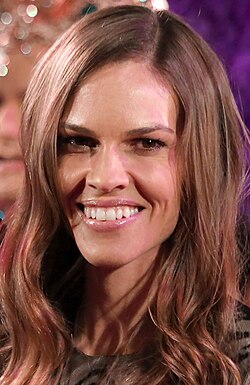
Million Dollar Baby grossed $216,763,646 worldwide during its theatrical run.
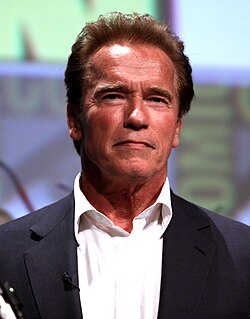
Cry Macho was directed by and starred Clint Eastwood, marking one of his final performances in a feature film.