Video Game Industry
2 min
Electronic Arts: A History of the Video Game Publisher
Electronic Arts was founded on May 27, 1982, by Trip Hawkins.

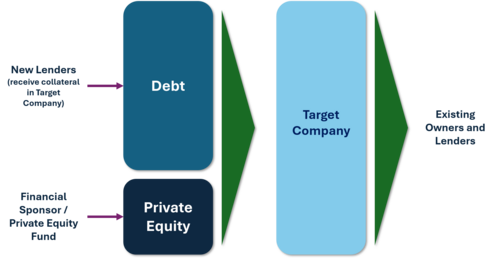
A leveraged buyout (LBO) is the acquisition of a company using a significant proportion of borrowed money to fund the purchase price. The remainder of the acquisition cost is funded by private equity. In this structure, the assets of the target company often serve as collateral for the debt, alongside any equity contributed by the acquiring firm.[1] While many corporate acquisitions utilize debt, the term "leveraged buyout" is typically reserved for transactions where the acquirer is a financial sponsor, such as a private equity firm.[1]
The primary objective of using debt in an LBO is to reduce the overall cost of capital and enhance potential returns for the equity investor. Because debt usually carries a lower cost than equity, increasing the debt-to-equity ratio can amplify projected returns on the sponsor's investment.[1] However, this strategy introduces significant risk. If the target company performs poorly or fails to generate sufficient cash flow to service the debt, the risk of default increases.[3]
Since the early 2000s, the average debt-to-equity ratio in these transactions has declined, leading to a greater emphasis on operational improvements and strategic follow-on acquisitions to drive value.[4][5]
While strategies vary, many leveraged buyouts share common features:
The use of leveraged buyouts gained prominence in the 1980s, a period often associated with high-profile corporate takeovers. Early transactions, such as those involving companies like Waterman Steamship Corporation in the 1950s, laid the groundwork for the modern private equity industry.[15][16] By the 1980s, the rise of high-yield debt markets facilitated larger and more complex transactions, leading to significant industry growth.[22][23] Over the decades, the market has evolved, moving from the aggressive "buyout binge" era to a more disciplined focus on operational value creation.[24][25]
The primary goal is to acquire a company using debt to minimize the amount of equity required, thereby potentially increasing the return on investment for the private equity sponsor.
Samuelson, Robert J. "The Private Equity Boom". The Washington Post, March 15, 2007.
Thackray, John (February 1986). "Leveraged buyouts: The LBO craze flourishes amid warnings of disaster". Euromoney.
Lonkevich, Dan; Klump, Edward (February 26, 2007). "KKR, Texas Pacific Will Acquire TXU for $45 Billion". Bloomberg.
Private Equity International. "Secondary Buyouts as an Exit Strategy". Private Equity International. PEI.
Corporate Finance Institute. "Management Buyouts (MBO) Explained". Corporate Finance Institute. CFI.
Carey, David; Morris, John E. (2010). King of Capital: The Remarkable Rise, Fall and Rise Again of Steve Schwarzman and Blackstone. Crown. pp. 15–16.
Hall, Jessica. "Private equity buys TXU in record deal". U.S. Retrieved 2018-10-16.
"Capital Firms Agree to Buy SunGard Data in Cash Deal". Bloomberg. March 29, 2005.
Forbes. "The Rise of Secondary Buyouts in Private Equity". Forbes. Forbes Finance Council.
Werdigier, Julia (April 25, 2007). "Equity Firm Wins Bidding for a Retailer, Alliance Boots". New York Times.
Electronic Arts was founded on May 27, 1982, by Trip Hawkins.
The acquisition of Electronic Arts was completed on August 4, 2026, for US$55 billion.
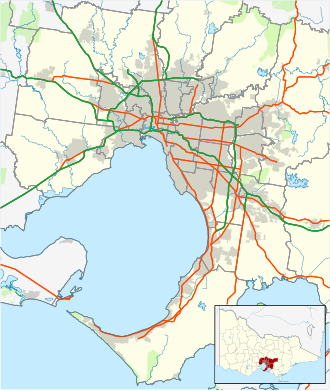
Mulgrave is located 21 kilometres south-east of Melbourne's central business district.