Cinema
2 min
Unforgiven: A Revisionist Masterpiece of the Western Genre
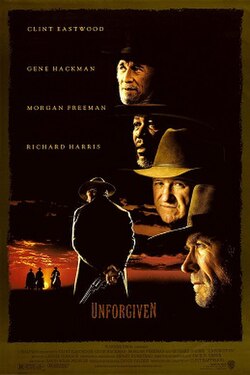
Unforgiven won four Academy Awards, including Best Picture and Best Director.
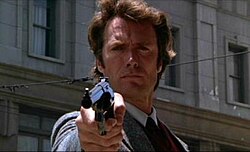
Inspector Harold Francis "Dirty Harry" Callahan is a seminal fictional character in American cinema, serving as the protagonist of the Dirty Harry film series. Portrayed by Clint Eastwood, the character first appeared in the 1971 film Dirty Harry and became a cultural archetype for the rugged, uncompromising police officer who operates outside the traditional constraints of bureaucratic law enforcement.
Created by Harry Julian Fink and R. M. Fink, Callahan is depicted as a veteran inspector with the San Francisco Police Department (SFPD), typically assigned to the Homicide Division. Born on October 3, 1930, his background includes service in the United States Marine Corps, which informs his tactical proficiency and stoic demeanor. Throughout the series, Callahan is characterized by his disdain for administrative red tape and his willingness to utilize lethal force to protect victims of violent crime.
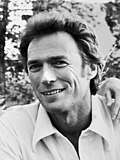
The character of Harry Callahan redefined the police procedural genre. While the original 1971 film was noted for its exploration of the tension between individual justice and the legal system, subsequent entries in the franchise, such as Magnum Force (1973), expanded the narrative scope. In Magnum Force, Callahan is positioned against a group of rogue officers who engage in extrajudicial killings, highlighting a distinction between Callahan's adherence to his own moral code and the lawless vigilantism of others.

The series spans nearly two decades, reflecting shifts in American cultural attitudes toward crime and authority:
The nickname refers to Callahan's reputation for being assigned the 'dirty' jobs that other officers avoid, as well as his unconventional and often controversial methods of handling criminals.
Dirty Harry (film), 1971.
"Entertainment Weekly's 20 All Time Coolest Heroes in Pop Culture". Entertainment Weekly. Archived from the original on July 3, 2014. Retrieved May 21, 2010.
Johnson, Dirk (June 1, 1990). "'Make My Day': More Than a Threat". The New York Times. Retrieved June 27, 2008.
"Lightsabre wins the battle of movie weapons". The Daily Telegraph. UK. January 21, 2008. Retrieved January 26, 2011.
Church, George (March 25, 1985). "Go Ahead - Make My Day". Time. Retrieved May 13, 2018.
"AFI's 100 Years... 100 Heroes and Villains" (PDF). afi.com. Archived from the original (PDF) on August 7, 2011. Retrieved May 21, 2010.
Paul Smith, "The Opposite of Fascism", in Clint Eastwood: A Cultural Production, U of Minnesota Press, 1993, 101–108.
Ebert, Roger (December 21, 1976). "The Enforcer". Chicago Sun-Times. Archived from the original on December 25, 2011. Retrieved April 26, 2011.
Spears, Steve (May 26, 2010). "The future was so bright, we had to wear shades: Famous sunglasses of the '80s". Tampa Bay Times. Archived from the original on July 3, 2014. Retrieved October 14, 2013.
"Empire's The 100 Greatest Movie Characters". Empire. Retrieved May 21, 2010.
Unforgiven won four Academy Awards, including Best Picture and Best Director.
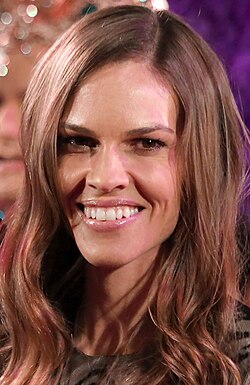
Million Dollar Baby grossed $216,763,646 worldwide during its theatrical run.
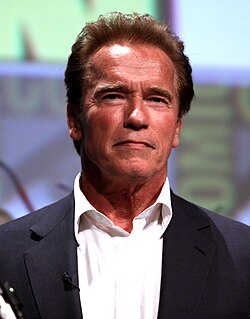
Cry Macho was directed by and starred Clint Eastwood, marking one of his final performances in a feature film.