H
Electronic Music Genres
2 min
High-Tempo Electronic Music: History and Characteristics of Speedcore
Speedcore typically ranges from 300 to 600 BPM, with retroactive classifications starting around 240 BPM.

Hardcore techno, widely known simply as hardcore, is a prominent genre of electronic dance music that originated in Western Europe—specifically the Netherlands, Belgium, and Germany—during the early 1990s. Recognized for its fast tempos, aggressive atmosphere, and heavy use of distortion, the genre grew out of earlier electronic, industrial, and dance movements.
The genre is structurally distinguished by rapid tempos typically ranging from 160 to 200 beats per minute (BPM) or higher, alongside a distorted sawtooth kick drum. Producers utilize heavy saturation and industrial-influenced sound design to create a dense, high-intensity listening and club experience.
The lineage of hardcore techno stretches back to the industrial music of the late 1970s and early 1980s. Experimental groups such as Throbbing Gristle, Coil, Cabaret Voltaire, SPK, and Einstürzende Neubauten utilized non-traditional electronic instruments and provocative themes, laying foundational sonic textures for harder electronic music.
By the mid-1980s, electronic body music (EBM) emerged under the influence of Belgian acts like Front 242. EBM combined minimalist, cold synthesizer sounds with powerful beats and aggressive vocal styles. Toward the end of the decade, the convergence of EBM, new beat, and acid house created a fertile environment for even heavier electronic experimentation in Belgium and Germany.
The term "hardcore" itself had previously been adopted by other musical subcultures, most notably within punk rock (such as Black Flag and Minor Threat) and later within hip-hop, to describe a more aggressive, uncompromising style and attitude. Within an electronic context, early industrial and EBM acts began utilizing the phrase in the late 1980s, with tracks like à;GRUMH...'s 1985 release "Sucking Energy (Hard Core Mix)" marking early applications of the terminology.
The definitive emergence of hardcore techno as a recognized genre occurred in 1990. German producer Marc Trauner, recording as Mescalinum United, released the track "We Have Arrived," which is widely cited as the first true hardcore techno release. Concurrently, the British group Together released "Hardcore Uproar" in 1990, connecting the sound with UK rave culture and underground party scenes.
Throughout the early 1990s, producers across Europe developed distinct regional scenes. In the United Kingdom, terms like "hardcore" and "darkcore" described high-tempo breakbeat-driven music that eventually branched into jungle, happy hardcore, and drum and bass. In continental Europe, producers focused on heavy kick drums and synthesized basslines, spawning subgenres such as gabber in the Netherlands.
Hardcore techno originated in the early 1990s, with its roots developing out of late 1980s industrial, EBM, and new beat scenes.
Speedcore typically ranges from 300 to 600 BPM, with retroactive classifications starting around 240 BPM.
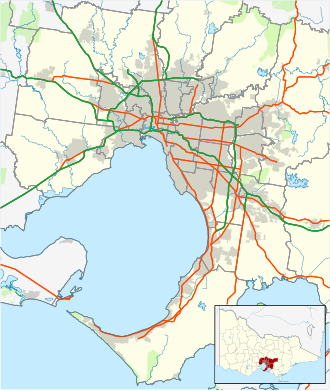
Mulgrave is located 21 kilometres south-east of Melbourne's central business district.
The violin octet consists of eight acoustically scaled bowed string instruments.