A
Biography
2 min
Adam Klasfeld: American Legal Journalist and Playwright
Adam Klasfeld is an American legal journalist and the co-founder and editor-in-chief of All Rise News.
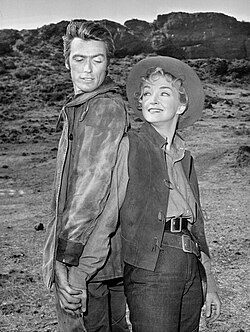
Clint Eastwood's trajectory from a struggling contract player to an international cinematic icon is defined by his persistence in the Hollywood studio system and his eventual pivot toward the antihero archetype. His early years were marked by a series of minor roles and the grueling production schedule of television westerns, which ultimately provided the foundation for his later success in European cinema.
Eastwood's entry into the film industry in the mid-1950s was characterized by rejection and limited opportunities. After signing a contract with Universal-International in 1954, he faced criticism for his acting style, which was described as amateurish and stiff. Despite appearing in minor roles in films such as Revenge of the Creature (1955) and Tarantula (1955), his contract was eventually terminated. Following a period of professional instability, he secured a career-defining role as Rowdy Yates in the CBS western series Rawhide (1958–1965).
Rawhide proved to be a demanding experience, requiring long hours and intense production schedules. While the show established Eastwood as a recognizable face in American television, he grew dissatisfied with the limitations of his character, who he felt was too conventional and cloddish. This frustration with the 'white hat' hero archetype would later inform his creative decisions in film.
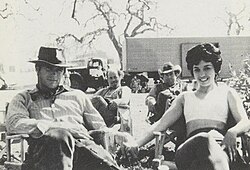
In 1963, Eastwood sought to break away from the constraints of his television persona. He accepted an offer to star in A Fistful of Dollars (1964), an Italian-produced western directed by Sergio Leone. This role allowed Eastwood to cultivate the 'Man with No Name' character, a departure from the traditional heroes he had previously portrayed. By embracing a more cynical, stoic, and morally ambiguous persona, Eastwood successfully transitioned into international stardom, effectively redefining the western genre for a new generation of audiences.
Eastwood was introduced to the film industry through contacts at Fort Ord, leading to an audition with director Arthur Lubin and a contract with Universal-International in 1954.
Adam Klasfeld is an American legal journalist and the co-founder and editor-in-chief of All Rise News.

Li Cheuk-to served as the artistic director of the Hong Kong International Film Festival from 2004 to 2018.

Nadhira Al Harthy was born in Muscat, Oman, in 1978.